
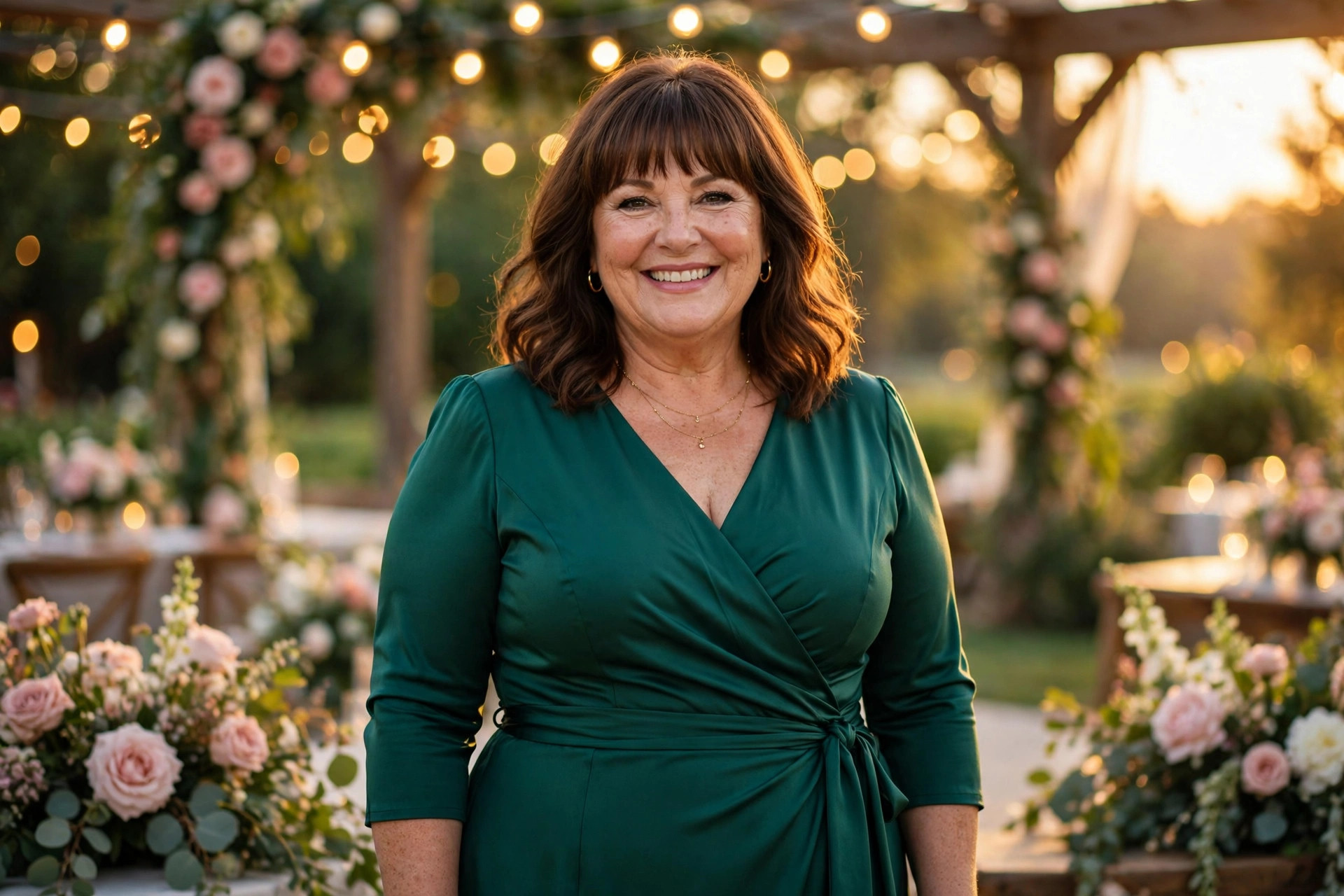
Finding plus size cocktail wedding guest dresses that fit well and feel festive takes more than luck. A cocktail dress code asks for polished, knee-to-midi length dressing that is dressier than daytime but not as formal as a gown, and the right fit details make all the difference. This guide gives you 17 flattering outfit ideas plus a fit-first framework covering necklines, waist definition, sleeves, fabrics, undergarments, and alterations.
You will learn which silhouettes work hardest for curves, how to read a cocktail dress code by venue and season, and what to avoid, so you walk in confident and stay comfortable through dinner and dancing.
Key Takeaways
- Cocktail wedding guest dressing means knee-to-midi length, polished fabrics, and one level below formal. For plus-size figures, fit details matter more than size labels.
- Wrap, A-line, empire waist, and fit-and-flare silhouettes flatter most curves because they define the waist and skim the midsection.
- V-neck, surplice, scoop, and square necklines open the upper body and elongate the torso.
- Crepe, ponte, chiffon blends, and stretch jersey drape well and hold their shape through a long celebration.
- Plan alterations 2 to 3 weeks ahead and bring your event undergarments to every fitting.
What Is a Cocktail Dress Code for a Wedding?
A cocktail dress code for a wedding is semi-formal evening dressing: a knee-length to midi dress in a polished fabric, elevated shoes, and refined accessories. It sits between daytime casual and black-tie formal. For plus-size guests, the formula is the same, but the winning details are structural: a defined waist, a supportive bodice, and a skirt that skims rather than clings.
Cocktail does not mean bodycon or club wear. Think tailored lines, quality fabric, and thoughtful coverage. When the invitation says “cocktail attire,” “semi-formal,” or “dressy casual evening,” this guide applies directly. For a second opinion on the dress code itself, The Knot’s cocktail wedding attire guide breaks down the etiquette, length rules, and fabric expectations in detail.
Which Silhouettes Are Most Flattering for Plus-Size Wedding Guests?
Wrap, A-line, empire waist, and fit-and-flare silhouettes are the most reliably flattering for plus-size wedding guests. Each one defines the waist or the bust and then releases over the midsection and hips, which creates balanced proportions and comfortable movement for sitting, dining, and dancing.
Use this decoder to match a silhouette to your priority:
| If your priority is | Choose | Why it works |
|---|---|---|
| Waist definition | Wrap dress or fit-and-flare | Tie or seamed waist creates an hourglass line |
| Skimming the midsection | Empire waist or A-line | Fabric releases below the bust, no clinging |
| Bust support | Surplice bodice or structured sheath | Crossed front and seaming lift and secure |
| Hip balance | A-line or fit-and-flare | Gradual flare balances the lower body |
| All-evening comfort | Stretch crepe or jersey wrap | Forgiving fabric moves when you sit and dance |
| Arm coverage | Flutter, 3/4, or dolman sleeves | Soft coverage without added bulk |
What Necklines Are Most Flattering on Plus-Size Figures?
V-neck, surplice, scoop, and square necklines are the most flattering for plus-size figures because they open the upper body, draw the eye upward, and elongate the neck and torso. A neckline that shows some collarbone almost always photographs better than a high, closed neckline.
The surplice (faux-wrap) neckline deserves special mention: it creates a diagonal line across the bust that defines shape while offering adjustable coverage. Square necklines frame the face beautifully and give structured support. If you prefer more coverage, choose a higher V or a scoop rather than a crew neck, which can visually shorten the neck.
What Sleeve Options Work for Cocktail Wedding Guest Dresses?
Flutter sleeves, elbow-length sleeves, 3/4 sleeves, and soft dolman sleeves give elegant arm coverage without bulk. They add movement and softness that sleeveless dresses lack, which suits the romantic mood of a wedding.
For cooler months or conservative venues, 3/4 sleeves in lace or chiffon look intentional rather than apologetic. A sheer overlay sleeve gives coverage while keeping the look light. If you love sleeveless styles, a cropped bolero or tailored blazer over the dress works for the ceremony and comes off for dancing.
Which Fabrics Drape Best on Plus-Size Cocktail Dresses?
Crepe, ponte, chiffon blends, stretch jersey, and satin-back crepe drape best on plus-size cocktail dresses. These fabrics skim the body, resist wrinkling through a long event, and hold tailored lines without clinging.
| Fabric | Best for | Watch out for |
|---|---|---|
| Crepe | Structured sheaths and tailored fits | Needs lining to avoid clinging |
| Ponte | Fit-and-flare, all-day comfort | Heavy weights can look casual |
| Chiffon (lined) | Empire waists, overlays, sleeves | Unlined chiffon shows everything |
| Stretch jersey | Wrap dresses, dancing comfort | Thin jersey highlights lines |
| Lace over lining | Romantic cocktail looks | Stiff lace can add visual bulk |
| Velvet (stretch) | Fall and winter evening weddings | Shows pressure marks if too tight |
A lined dress with a smooth inner finish reduces cling and keeps you comfortable as you sit, stand, and move. Avoid fabrics that trap heat if the venue runs warm, and skip anything that wrinkles badly when an evening of sitting is ahead.
Wrap Dresses (Ideas 1 to 3)
Wrap dresses are the hardest-working silhouette for plus-size cocktail dressing: adjustable waist, V-neckline, and a skirt that moves. These three cover day-to-evening wedding scenarios.
1. Classic Jewel-Tone Wrap Midi
A true wrap midi in emerald, sapphire, or burgundy with 3/4 sleeves. The tie waist adjusts through the meal, the V-neck elongates the torso, and the midi length suits cocktail codes perfectly. Block heels and simple gold jewelry complete it.
2. Floral Chiffon Wrap Dress
A lined floral chiffon wrap with flutter sleeves for spring and summer weddings. The print adds celebration energy, the lining prevents show-through, and the wrap front keeps the bodice secure. Nude or metallic strappy heels keep the look light.
3. Velvet Wrap Dress for Evening
A stretch-velvet wrap dress in deep plum or forest green for fall and winter cocktail weddings. Velvet catches evening light beautifully and the wrap construction prevents the fabric from pulling. Pair with a small structured clutch.
4. Lace A-Line Cocktail Dress
A knee-length lace A-line over a smooth lining, with cap or elbow sleeves. Lace reads instantly festive, the A-line skirt floats away from the body, and the lining keeps everything smooth. Choose a jewel tone or deep neutral over pastel for evening events.
5. Crepe A-Line with Square Neckline
A structured crepe A-line with a square neckline and defined waist seam. The square neck frames the face, the seaming creates shape, and crepe holds its line from ceremony to last dance. This is the minimalist’s cocktail answer.
6. Pleated Chiffon A-Line
A pleated chiffon A-line with a softly draped bodice. Pleats add vertical movement that elongates, while the bodice draping skims the midsection. Works beautifully for garden and outdoor cocktail weddings.
Empire Waist Dresses (Ideas 7 to 8)
Empire waists define just under the bust and release into a flowing skirt, the most forgiving line for the midsection and the most comfortable for long seated dinners.
7. Beaded Bodice Empire Dress
An empire-waist dress with a beaded or embellished bodice and flowing chiffon skirt. The embellishment draws the eye up, the skirt flows freely, and the overall effect is formal enough for evening cocktail codes. Keep accessories minimal and let the bodice lead.
8. Satin Empire Midi
A satin-back crepe empire midi in champagne, slate, or deep teal. The lustrous fabric elevates the simple silhouette, and the empire line guarantees comfort through a multi-course dinner. A wrap or pashmina covers shoulders for the ceremony.
Fit-and-Flare Dresses (Ideas 9 to 11)
Fit-and-flare dresses hug the bodice and flare from the waist, creating a classic hourglass line that photographs beautifully and twirls on the dance floor.
9. Ponte Fit-and-Flare
A ponte fit-and-flare with a scoop neckline and elbow sleeves. Ponte is the comfort champion: structured enough to hold shape, stretchy enough for dinner and dancing. Navy, black, or burgundy keep it cocktail-appropriate.
10. Jacquard Fit-and-Flare
A jacquard or brocade fit-and-flare with a V-neck. The textured fabric adds richness without embellishment, and the fitted bodice shows off the waist. Ideal for fall and winter weddings when heavier fabrics feel right.
11. Off-Shoulder Fit-and-Flare
An off-shoulder fit-and-flare with a sweetheart neckline for evening receptions. The neckline highlights collarbones and shoulders, the defined waist creates shape, and the flared skirt moves beautifully. Bring a wrap for outdoor photos.
Sheath Dresses (Ideas 12 to 13)
Sheaths follow the body’s line with tailored seaming. In the right fabric with ruching or draping, they are sleek rather than restrictive.
12. Ruched Side-Seam Sheath
A knee-length sheath with side ruching in stretch crepe. Ruching is camouflage and contouring in one: it skims the midsection while the seams define shape. Cap sleeves or a bateau neckline keep it refined.
13. Cowl-Neck Column Dress
A column dress with a draped cowl neckline in matte jersey or crepe. The cowl draws the eye to the neckline, the column line elongates, and the matte fabric keeps it modern. Add a statement earring and metallic heel.
Cocktail Jumpsuits (Ideas 14 to 15)
A well-cut jumpsuit is a legitimate cocktail answer and often more comfortable than a dress. The keys are a defined waist, a wide leg, and an elevated fabric.
14. Wide-Leg Crepe Jumpsuit
A black or midnight wide-leg jumpsuit in crepe with a V-neck and waist tie. The wide leg creates a long line, the waist tie defines shape, and crepe keeps it formal. This is the outfit for guests who never feel like themselves in dresses. More evening formulas are in the cocktail party outfits guide.
15. One-Shoulder Jumpsuit
A one-shoulder jumpsuit with a tapered or wide leg in a rich solid. Asymmetric necklines add drama and draw the eye diagonally, which flatters. Keep the rest of the styling clean so the shoulder detail stands out.
Statement Lengths (Ideas 16 to 17)
Two special-case lengths that solve specific wedding scenarios: the dressy garden wedding and the evening reception that leans formal.
16. Satin Slip-Style Maxi
A bias-cut satin maxi with a cowl or V-neck for evening weddings that lean formal. The bias cut drapes over curves instead of clinging, and the full length creates an unbroken line. Wear supportive undergarments and choose a lined style. For warm-weather weddings, the summer wedding guest dresses guide has more breathable options.
17. Tiered Midi for Daytime Cocktail
A tiered chiffon or cotton-blend midi with a smocked or elastic bodice for daytime cocktail weddings. Tiers add movement and hide a multitude of fit concerns, while the midi length keeps it occasion-appropriate. Block-heel sandals finish it.
What Undergarments and Alterations Make the Biggest Difference?
The right undergarments and simple alterations improve a cocktail dress more than any accessory. A supportive, well-fitting bra sets the foundation: the bust sits higher, necklines drape correctly, and the waist appears more defined. Smooth, seamless undergarments prevent lines under crepe and jersey.
Plan alterations 2 to 3 weeks before the wedding. Bring the exact undergarments and shoes you will wear to every fitting. The highest-value alterations are hemming to your heel height, taking in the waist of an A-line or sheath, and adjusting straps so the neckline sits correctly. A dress that fits in the shoulders and bust can almost always be tailored at the waist; the reverse is much harder.
What Should Plus-Size Guests Avoid at Cocktail Weddings?
Avoid white, ivory, cream, and anything close to the bridal party’s color, which is the one hard rule of wedding guest dressing. Skip fabrics that cling when you sit, necklines that need constant adjusting, and brand-new heels for a day that involves standing, walking on grass or gravel, and dancing.
Also skip shapewear so tight it restricts breathing or sitting; comfort shows in photos. And avoid going up a size “to be safe” without tailoring, since excess fabric adds visual bulk exactly where a defined line would flatter. For the full wedding guest framework, the wedding guest outfits guide covers every dress code in depth.
FAQs
Which silhouettes are most flattering for plus-size wedding guests?
Wrap, A-line, empire waist, and fit-and-flare silhouettes flatter most plus-size figures because they define the waist or bust and skim the midsection. Wrap dresses add an adjustable tie waist, empire waists release below the bust, and A-line skirts balance the hips. Choose based on whether your priority is waist definition, midsection skimming, or bust support.
What fabrics should I prioritize for comfort during a long wedding day?
Choose breathable, lightly structured fabrics that drape well: crepe, ponte, chiffon blends, or stretch jersey. A lined dress with a smooth inner finish reduces cling and keeps you comfortable sitting, standing, and dancing. Avoid fabrics that trap heat or wrinkle easily if you will be on your feet for hours.
How do I determine my true size when shopping for plus-size wedding guest dresses?
Take your bust, waist, and hip measurements while wearing a well-fitting bra and compare them to the specific brand’s size chart rather than trusting the label. Look for dresses with stretch or adjustable features like wrap ties. Sizing varies widely by brand, so order from retailers with easy returns when you are between sizes.
What neckline is most flattering for a plus-size wedding guest dress?
V-neck, surplice, scoop, and square necklines are the most flattering because they open the upper body and elongate the neck and torso. Surplice necklines offer adjustable coverage with a diagonal line that defines the bust. Avoid high crew necks, which can visually shorten the neck.
How far in advance should I arrange alterations for a plus-size dress?
Plan alterations at least 2 to 3 weeks before the wedding, especially for waist, hem, or neckline adjustments. Bring the undergarments and shoes you plan to wear to every fitting so the tailor works with your real proportions. Dresses with adjustable elements like wrap ties or elastic backs are easier to alter precisely.
Can a plus-size guest wear a jumpsuit to a cocktail wedding?
Yes, a well-cut jumpsuit in an elevated fabric like crepe is a polished cocktail wedding option. Choose a defined waist, a wide or tapered leg, and a refined neckline such as a V-neck or one-shoulder. Style it with heeled shoes and refined jewelry so it reads formal rather than casual.
Conclusion
The most flattering plus size cocktail wedding guest dresses share the same formula: a defined waist or bust, a neckline that opens the upper body, a fabric that drapes and moves, and tailoring that fits your real measurements. Start with wrap, A-line, empire, or fit-and-flare silhouettes, match the fabric to the season and venue, and give alterations their two to three weeks. For more curve-friendly occasion dressing, the plus size dinner outfits guide applies the same fit-first thinking to evening events.

Rameen Awan is the founder and editor of Outfit Algorithm, where she breaks down outfit formulas, dress codes, and styling systems for real life. Her guides focus on practical details other sites skip: fabric behavior, fit for different body types, and what actually works when you are getting dressed in a hurry.