
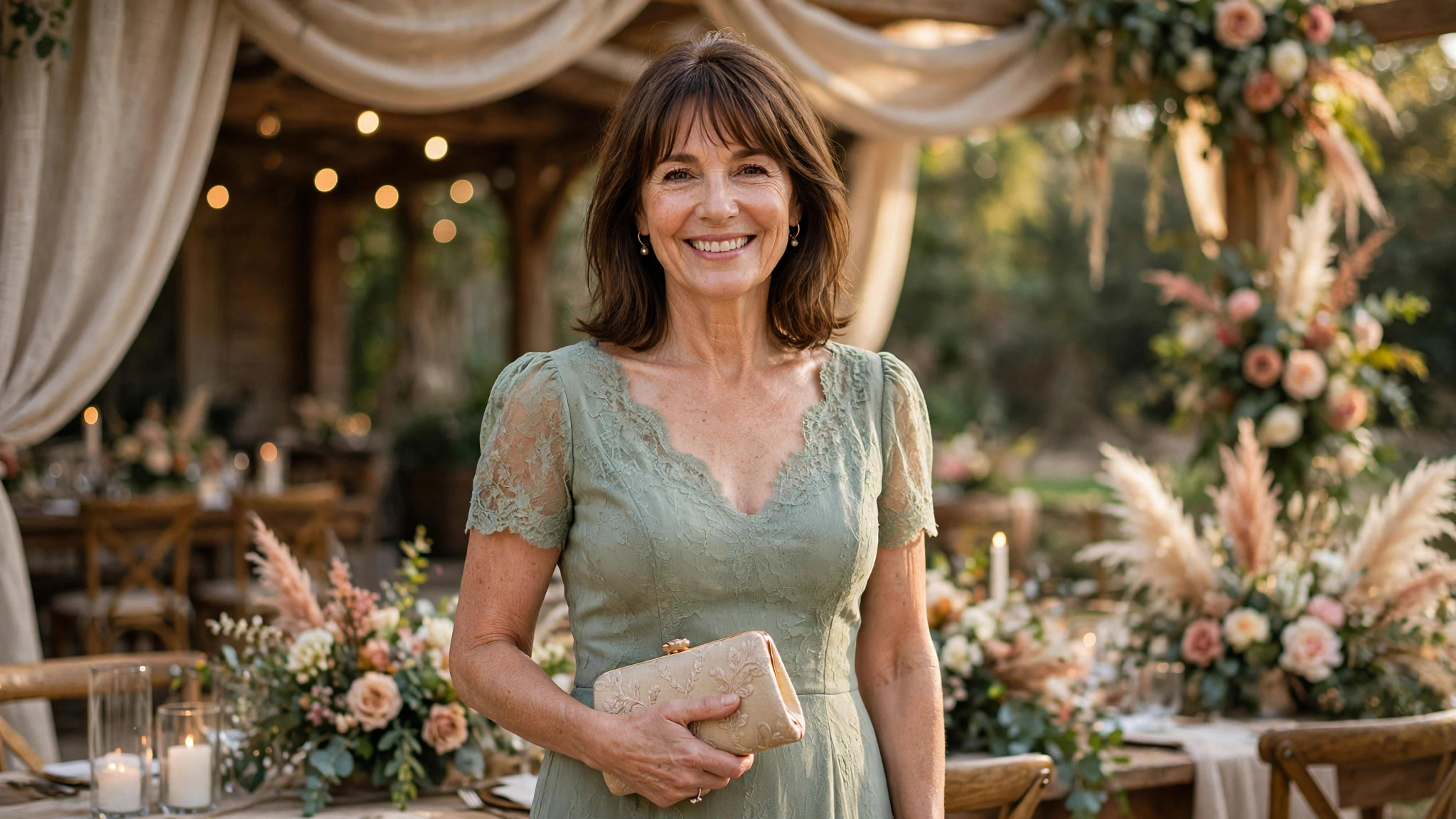
You open the invitation, scan for the details, and there it is: “dressy casual.” Or “festive attire.” Or the dreaded “semi-formal,” which somehow means something different at every wedding. Getting confusing wedding dress codes decoded before you shop saves you from the two worst outcomes: showing up underdressed and feeling awkward all night, or overdressed and stealing attention that belongs to the couple. This guide translates every common wedding dress code into plain language, with exact outfit formulas for each one.
The Short Version: Every Code in 30 Seconds
If you only have a minute, here is the whole system. Wedding dress codes run on a ladder from relaxed to ultra-formal, and your job is simply to land on the right rung. The golden rule experienced guests swear by: when you are torn between two options, pick the dressier one. Slight overdressing reads as respect. Underdressing reads as indifference.
| Dress Code | What It Means for Her | Formality Level |
|---|---|---|
| Casual | A sundress, a nice top with tailored trousers, dressy flats | 1 of 7 |
| Dressy Casual | A midi dress or a top with a skirt, low heels or dressy flats | 2 of 7 |
| Smart Casual | Polished separates, a jumpsuit, or a simple dress with refined shoes | 2 of 7 |
| Semi-Formal | A knee-length or midi dress in a good fabric, heels or dressy flats | 3 of 7 |
| Cocktail | A party-ready knee-length or midi dress with polish, heels | 4 of 7 |
| Festive Attire | Cocktail-level dressing with color, print, and personality encouraged | 4 of 7 |
| Black Tie Optional | A floor-length gown or a very formal midi dress | 5 of 7 |
| Black Tie / Formal | A floor-length gown, full evening polish | 6 of 7 |
| White Tie | A full-length ball gown, the most formal option there is | 7 of 7 |
Casual: Relaxed, But Still a Wedding
Casual is the most laid-back code you will see on a wedding invitation, and it is also the most misunderstood. It does not mean jeans and a t-shirt. A wedding is still a wedding, so casual here means “nice clothes you would wear to a nice restaurant,” not “clothes you would wear to run errands.”
Reach for a sundress in a pretty print, a blouse with tailored trousers, or a casual jumpsuit. Dressy flats, low block heels, or polished sandals all work. Leave the denim, shorts, flip-flops, and sneakers at home, no matter how relaxed the invitation sounds. The couple chose the word “casual” to make you comfortable, not to lower the bar to everyday wear.
Fabric matters more than you think at this level. A cotton sundress reads casual in the right way. A silk or crepe top with trousers reads one step up, which is exactly where you want to be.
What Does Dressy Casual Mean for a Wedding?
Dressy casual sits one notch above casual and one notch below semi-formal. Think of it as “put-together casual”: relaxed silhouettes in nicer fabrics, with real shoes. For women, a midi dress, a stylish top with a skirt, a jumpsuit, or a pantsuit all hit the mark. Pair them with heels or formal flats.
Time of day changes the formula. For a daytime dressy casual wedding, lighter colors and airier fabrics like linen blends or cotton sateen feel right. For an evening event under the same code, go darker and slightly more structured: a navy midi dress, a black jumpsuit, a crepe top with tailored trousers.
The most common mistake with dressy casual is reading only the “casual” half. If your outfit would work for a backyard barbecue, it is too casual. If it would work for a work dinner with clients, you are in the right zone.
Smart Casual Wedding Dress Code Explained
Smart casual is a close cousin of dressy casual, borrowed from the business world. It means polished and intentional, with relaxed elements. The “smart” half does the heavy lifting: everything should look deliberate, well-fitted, and neat.
Good options include a wrap dress with loafers, tailored trousers with a silk blouse, or a simple shift dress with a blazer thrown over your shoulders. Dark-wash trousers are fine here if everything else is polished, but skip distressed denim entirely. Shoes should be refined: loafers, mules, low heels, or clean minimal flats.
Smart casual rewards fit above all. A well-tailored simple outfit beats a fussy ill-fitting one every time at this dress code. If something needs hemming or nipping in, do it before the wedding, not the morning of.
Semi-Formal: The Most Common Wedding Dress Code
Semi-formal is the code you will see most often, and it covers a wide middle ground. For women, it means a knee-length or midi dress in a good fabric, or dressy separates like a blouse with a tailored skirt. Heels, dressy flats, or polished low boots in cooler months all work.
Semi-formal shifts with the clock. Daytime semi-formal leans lighter: a floral midi dress, a pastel wrap dress, a jumpsuit in a soft fabric. Evening semi-formal goes richer: jewel tones, satin finishes, a little more structure. The venue gives clues too. A ballroom pushes you toward the dressier end of semi-formal. A garden or barn venue lets you relax it slightly.
One question comes up constantly: can you wear a long dress to a semi-formal wedding? Yes, with a caveat. A flowy printed maxi dress or a relaxed ankle-length dress works fine. A full formal gown with beading does not, because it jumps two rungs up the ladder. Keep the fabric and details in the semi-formal range and the length takes care of itself.
If you want occasion-specific ideas, our guide to garden wedding guest outfits shows how semi-formal translates to outdoor settings.
Cocktail Attire vs Semi-Formal: The Confusing Pair
This is the comparison that causes the most closet panic, so here it is plainly. Cocktail attire and semi-formal are neighbors on the formality ladder, but they are not the same thing. Cocktail sits one step higher and carries more party energy.
| Semi-Formal | Cocktail | |
|---|---|---|
| Formality | Polished and refined, leaning traditional | Festive and elevated, leaning glamorous |
| Typical dress | Knee-length or midi dress, can be simple | Knee-length or midi with structure or detail |
| Fabrics | Crepe, cotton sateen, jersey, matte finishes | Satin, silk, velvet, sequins, embellishments |
| Colors | Neutrals and classics work well | Bolder colors and prints welcome |
| Shoes | Heels or dressy flats | Heels preferred, one statement piece |
| Vibe | Important dinner with the in-laws | Ready for another round at the bar |
A useful test: a nice semi-formal dress could multitask at a work event. A cocktail dress is unmistakably headed to a party. If the invitation says cocktail, bring the finish: a little sheen in the fabric, a defined waist, a heel with some presence.
For concrete outfit formulas at this level, see our cocktail party outfits guide, which breaks down venue-by-venue choices.
Festive Attire: The Code That Wants Color
Festive attire is cocktail-level formality with an explicit invitation to have fun. When a couple writes “festive,” they are telling you that color, print, and personality are not just allowed but wanted. This code shows up most at holiday-season weddings, New Year’s Eve weddings, and celebrations with a party atmosphere.
Think jewel tones, metallics, bold florals, sequins, velvet. A red midi dress, an emerald jumpsuit, a gold pleated skirt with a black top: all perfect. The structure should still be cocktail-level, meaning a defined silhouette and real shoes, but the palette can go as joyful as you like.
The mistake to avoid is reading “festive” as “casual party.” It is not. Keep the cocktail bones, add the celebration on top.
Black Tie Optional: What It Actually Requires
Black tie optional confuses people because the word “optional” sounds like permission to dress down. It is not. It means the tuxedo is optional for men, but the formality level stays high for everyone. For women, black tie optional calls for a floor-length gown or a very formal midi or cocktail dress.
A formal midi in a luxe fabric like silk or velvet works beautifully here, especially with elevated hair, jewelry, and heels. What does not work: a simple daytime dress, no matter how pretty. The fabrics and finish need to say evening.
If you own a gown, wear it. If you do not, invest your effort in the most formal dress you own and polish every detail: steamed fabric, proper undergarments, a clutch instead of a day bag, heels you can actually stand in for hours.
Black Tie, Formal, and White Tie
Black tie means a floor-length gown, full stop. This is the most straightforward code on the list because there is no ambiguity to decode. Long dress, formal fabric, evening polish. Formal on a wedding invitation means the same thing as black tie in almost all cases.
White tie is the rarest and most formal code in existence: a full-length ball gown, historically with gloves. Most guests will never encounter it. If you do, the invitation usually comes with detailed guidance, and the venue will be unmistakably grand.
At these levels, the details carry the outfit. A gown in the wrong undergarments or wrinkled from the suitcase undermines the whole effect. Steam it, plan the shoes early, and bring a wrap for the walk from the car.
What to Wear When the Invitation Names No Dress Code
New and Trending Invented Dress Codes
Western Formal: Elevated Western Wear, Not a Costume
Western formal is a trending made-up dress code appearing at galas and weddings, especially in the Southwest and at rustic-luxe venues. The key word is formal first, western second. Think elevated western wear, not a cowboy costume. For women, the outfit formula is a midi or maxi dress in a rich fabric like velvet or satin, or with suede accents, paired with heeled ankle boots or pointed-toe boots. Finish the look with turquoise or silver jewelry as an accent and a tailored blazer or structured jacket for polish.
The color palette does the western talking: deep burgundy, forest green, black, and warm browns. What to avoid matters just as much: skip the actual cowboy hat, keep fringe to a minimum or skip it entirely, and avoid denim-on-denim. Cowboy boots are best saved for events that are explicitly western-themed; at a wedding, sleek heeled boots keep the look dressy instead of costume-y.
Beach Formal: Formal Silhouettes in Beach Fabrics
Beach formal is another invented code that confuses guests because it sounds like an oxymoron. The logic is simple: keep formal silhouettes but choose beach-appropriate fabrics. For women, that means a flowy maxi dress or an elegant midi dress in a lightweight fabric like chiffon or a linen blend. Shoes need to work on sand and grass, so choose dressy flat sandals or wedge heels, never stilettos that sink into the sand. Keep jewelry minimal and let the setting do the talking.
Colors stay light and coastal: pastels, ocean blues, coral, and even whites work beautifully, though check with the couple before wearing white since some brides still object. What to avoid: actual swimwear, shorts, and flip-flops. Beach formal is still formal, so the outfit should look deliberate and polished, just built from fabrics that move with the breeze instead of fighting it.
Frequently Asked Questions
What does dressy casual mean for a wedding?
Dressy casual for a wedding means relaxed silhouettes in nicer fabrics: a midi dress, a top with a skirt, a jumpsuit, or a pantsuit, with heels or dressy flats. It sits between casual and semi-formal. Use the time of day as your guide: lighter colors and fabrics for daytime, darker and more structured for evening.
Is semi-formal the same as cocktail attire?
No, though they are close. Cocktail attire sits one step higher on the formality ladder and carries more party energy: richer fabrics like satin or velvet, bolder colors, more structure. Semi-formal is the toned-down neighbor: polished and refined but more subdued. At an evening event, treat semi-formal as nearly cocktail.
What does cocktail attire mean for a wedding?
Cocktail attire at a wedding means a party-ready knee-length or midi dress with real polish: structured fabric or eye-catching detail, heels, and one statement piece. For men it means a dark suit and tie. The goal is festive and elevated, balancing sophistication with personality.
What should I wear to a wedding with no dress code listed?
Read the venue, time, and invitation design. A ballroom or evening start means dressier; a garden or daytime start means more relaxed. When signals are mixed, default to a midi dress in a good fabric with heels, which lands safely in the semi-formal to cocktail range. When torn between two options, choose the dressier one.
What does black tie optional mean for a female guest?
Black tie optional for women means a floor-length gown or a very formal midi or cocktail dress in a luxe fabric like silk, satin, or velvet. The “optional” refers to men skipping the tuxedo, not to guests dressing down. Keep every detail evening-level: heels, a clutch, and polished hair and jewelry.
Can I wear black to a wedding?
Yes. Black is fully acceptable at modern weddings, especially evening ones. The old prohibition has faded. Style it celebratorily with your accessories, shoes, and a touch of color or shine so the look reads festive rather than somber. The only color truly off limits remains white and its close shades. For the complete breakdown, see our guide to black wedding guest dress etiquette
The Bottom Line
Confusing wedding dress codes stop being confusing once you see the ladder. Find your rung, match the venue and time of day, and apply the universal rules. Most wedding outfit anxiety comes from guessing, and now you do not have to guess. Pick the dressier option when you are torn, skip the white, and wear shoes you can dance in. The couple invited you because they want you there, and showing up well-dressed is one of the simplest ways to honor that.

Rameen Awan is the founder and editor of Outfit Algorithm, where she breaks down outfit formulas, dress codes, and styling systems for real life. Her guides focus on practical details other sites skip: fabric behavior, fit for different body types, and what actually works when you are getting dressed in a hurry.