
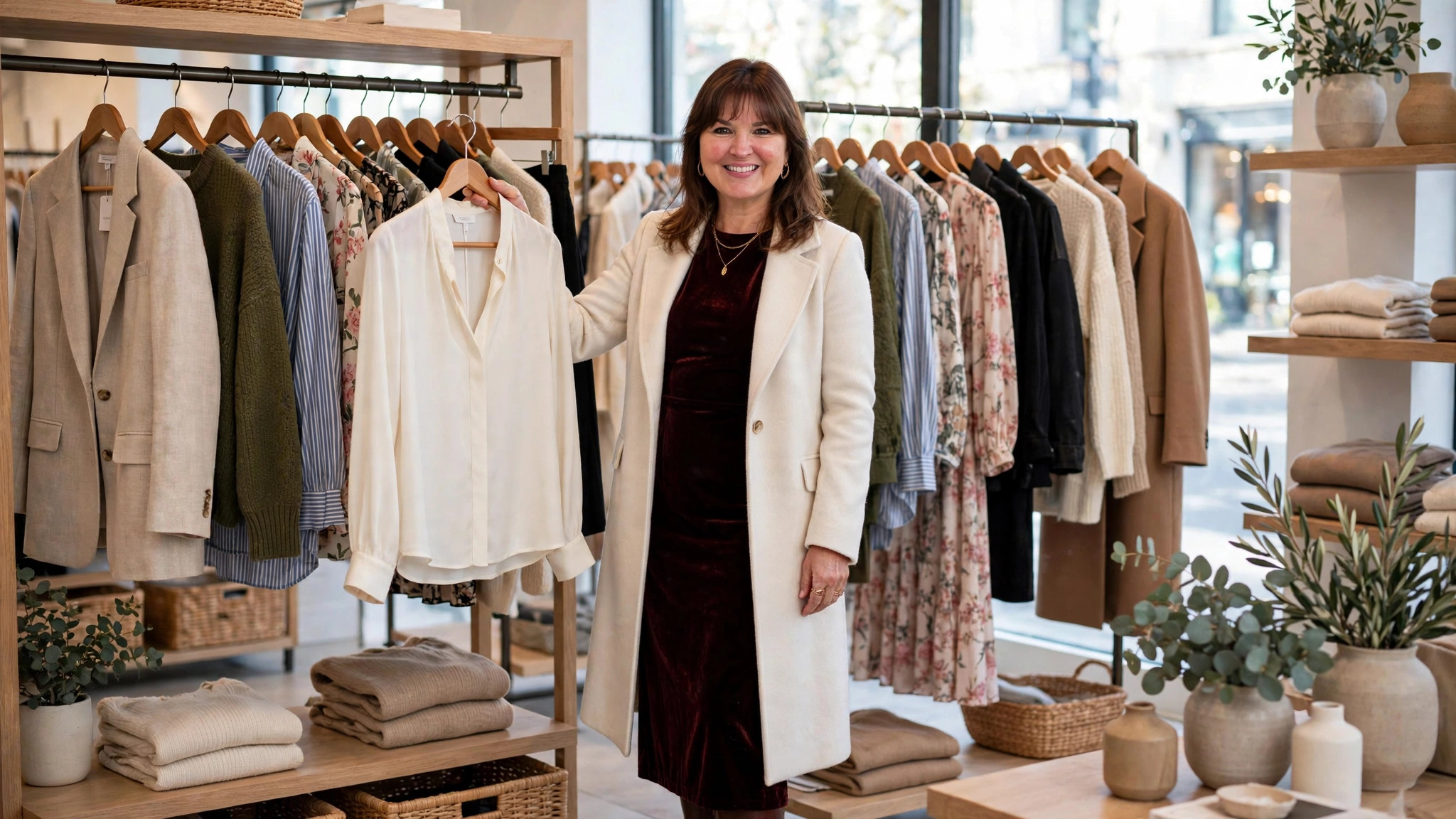
Learning how to find your personal style is less about shopping and more about noticing. Personal style is the consistent pattern of silhouettes, colors, fabrics, and details that makes you feel like yourself every time you get dressed. Instead of copying trends or buying pieces on impulse, you can uncover the style you already have with a simple system: audit what you own, collect words and inspiration, test looks in real life, and refine as you go. This guide walks you through each step so you can name your style in your own words and dress from it with confidence.
For style discovery exercises, read Vogue’s personal style guide.
Key Takeaways
- Personal style is a pattern you discover in what you already wear and love, not a label you pick off a trend list.
- The 4-step method works for any budget, body type, and lifestyle: audit your closet, collect style words and images, test outfits in real life, and refine over time.
- Three style words act as a personal filter that makes getting dressed and shopping decisions faster and easier.
- Trend-chasing fades when you test pieces against your style words and your actual week instead of against what is popular online.
- Your style will evolve, and refining it is part of the process, not a sign you got it wrong.
What Is Personal Style, Really?
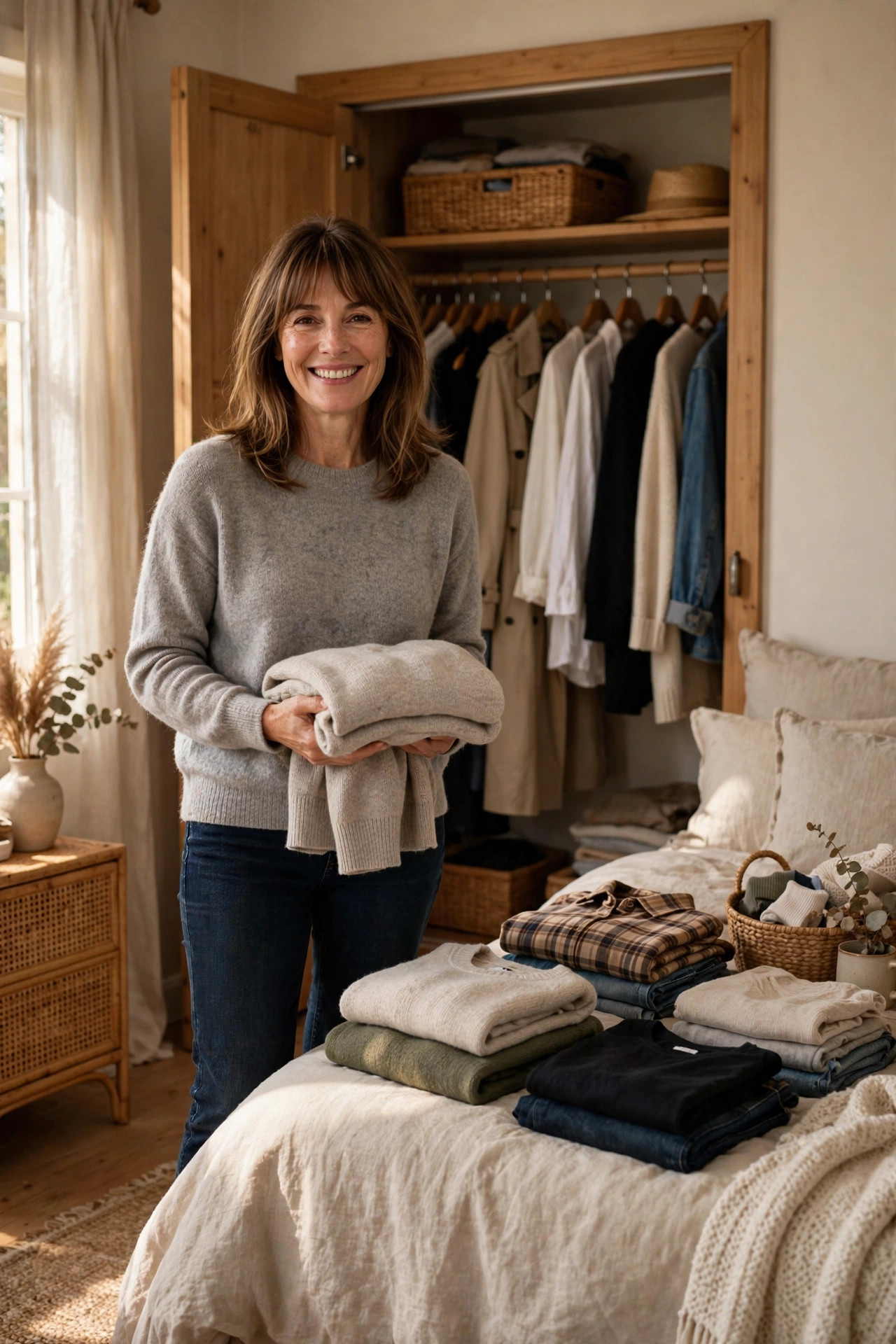
Personal style is the visual signature that repeats across the outfits you feel best in. It is not a single aesthetic like minimalist or boho, and it is not a dress code. It is the combination of shapes, colors, textures, and details that shows up again and again in the clothes you reach for, the compliments you get, and the photos where you think, that looks like me.
Here is why that distinction matters. An aesthetic is something you can buy into for a season. Personal style is something you recognize from evidence. When you define style as a pattern to be found rather than a product to be purchased, the whole process gets calmer and cheaper, because the research material is already hanging in your closet.
Most women who struggle with style are not missing taste. They are missing a system for turning scattered preferences into something they can name and repeat. That is exactly what this article gives you.
How to Find Your Personal Style in 4 Steps

This is a discovery system, not a shopping list. Each step feeds the next, and you can complete the whole thing in a weekend. The goal at the end is not a new wardrobe. The goal is a short description of your style that you trust, because it came from your own evidence.
Step 1: Audit What You Already Own
Start with the clothes you actually wear, not the ones you wish you wore. Pull out the ten to fifteen pieces you reach for most often, the ones you would pack first for a trip or grab when you have ten minutes to get ready. Lay them side by side and look for repeats.
Ask yourself what these pieces have in common. Is the palette mostly neutral, mostly bright, or mostly dark? Are the shapes relaxed or fitted, simple or detailed? Do you lean toward soft fabrics or structured ones? This is your style speaking in its clearest voice, because these are the pieces that survived the real-world test of your daily life.
Now look at the pieces you never wear. Ask why each one is still there. Common answers include it fit a trend that passed, it was bought for a fantasy version of your life, or it needs other pieces you do not own to work. Each answer teaches you something about what to avoid, which is just as valuable as knowing what to keep. If your closet feels full but unwearable, the honest closet audit approach covered in our guide to feeling like you have nothing to wear will help you sort the disconnect before you move on.
Write down three observations from your audit. They do not have to be elegant. “I wear dark jeans and soft sweaters constantly” is a perfectly good starting point. You will sharpen these into style words in Step 2.
Step 2: Collect Your Style Words and Inspiration
Style words are the adjectives that describe how you want your clothes to feel on you. Think of words like relaxed, polished, bold, soft, sharp, cozy, playful, classic, or dramatic. The three-word method, which asks you to pick exactly three adjectives as your style filter, is popular because it forces a decision. Every future purchase and outfit gets measured against the same three words: does this look relaxed, polished, and playful? If not, it does not come home.
Pick your three words by combining your Step 1 audit with your gut reactions. Which words describe your most-worn pieces? Which words describe the outfits where you have felt most like yourself? Choose words that excite you a little, not words you think you should pick. “Appropriate” is not a style word. “Confident” can be.
Next, collect images that feel like you. Save outfit photos from Pinterest, Instagram, or wherever you browse, but do it with a rule: save only images where you can picture yourself wearing the outfit in your actual life, not on a model in a fantasy scenario. After saving twenty or thirty images, scroll through them as a group and look for the same repeats you looked for in your closet. If eight of your saved looks feature wide-leg pants and simple tops, that is data, not coincidence.
Compare your images to your three style words. When they match, your style picture is coming into focus. When they do not, trust the mismatch. It usually means your words need updating, not your taste.
Step 3: Test Looks in Real Life
A style you have never worn is just a theory. Testing means wearing candidate outfits in your actual routine and paying attention to how they perform. Pick three to five outfit formulas from your inspiration collection and wear them across a normal week: to work, to dinner, to run errands.
A formula is a repeatable structure, not a single fixed outfit. “Wide-leg trousers, fitted knit, low heel” is a formula you can repeat in different colors and fabrics all year. Formulas are what turn style words into actual mornings, because you stop starting from zero every day.
Pay attention to two things while you test: comfort and compliments. Comfort is the non-negotiable filter. If a look photographs well but you spend the day adjusting it, it fails the test regardless of how stylish it seems. And compliments are free data. When someone says “that looks so you,” believe them, because they are recognizing the pattern before you have fully named it.
Use your real life as the laboratory. Test your work looks against your actual office dress code, not an imagined one. If you are building out office-appropriate outfits, our summer office outfit ideas work as a great testing ground for seeing which silhouettes survive a full workday. Test evening looks the same way: fall dinner outfits give you occasion-ready combinations to try and observe before committing.
Keep a simple note on your phone during the testing week. For each outfit, jot down one line: what you wore, where you wore it, and whether you would wear it again as is. After a week you will have a short list of proven formulas, which is more useful than any style quiz result.
Step 4: Refine and Repeat
Refining means adjusting your style words and formulas based on what the tests taught you. Maybe “polished” turned out to mean clean sneakers and a blazer for you, not heels and a silk blouse. Maybe “bold” lives in your color choices rather than your silhouettes. Update your three words if the evidence points somewhere new.
Refining also means accepting that personal style is not a destination. Your style at 25 will not be your style at 35, and that is not failure, it is growth. Body changes, career changes, and new seasons of life all shift what feels right. The system still works every time, because the system is about reading your own evidence, not reaching a fixed answer.
Set a simple rhythm. Revisit your three words once or twice a year, or whenever getting dressed starts feeling off again. Each revisit takes less time than the last, because you are updating a working system rather than starting over.
How to Stop Chasing Trends Without Looking Boring
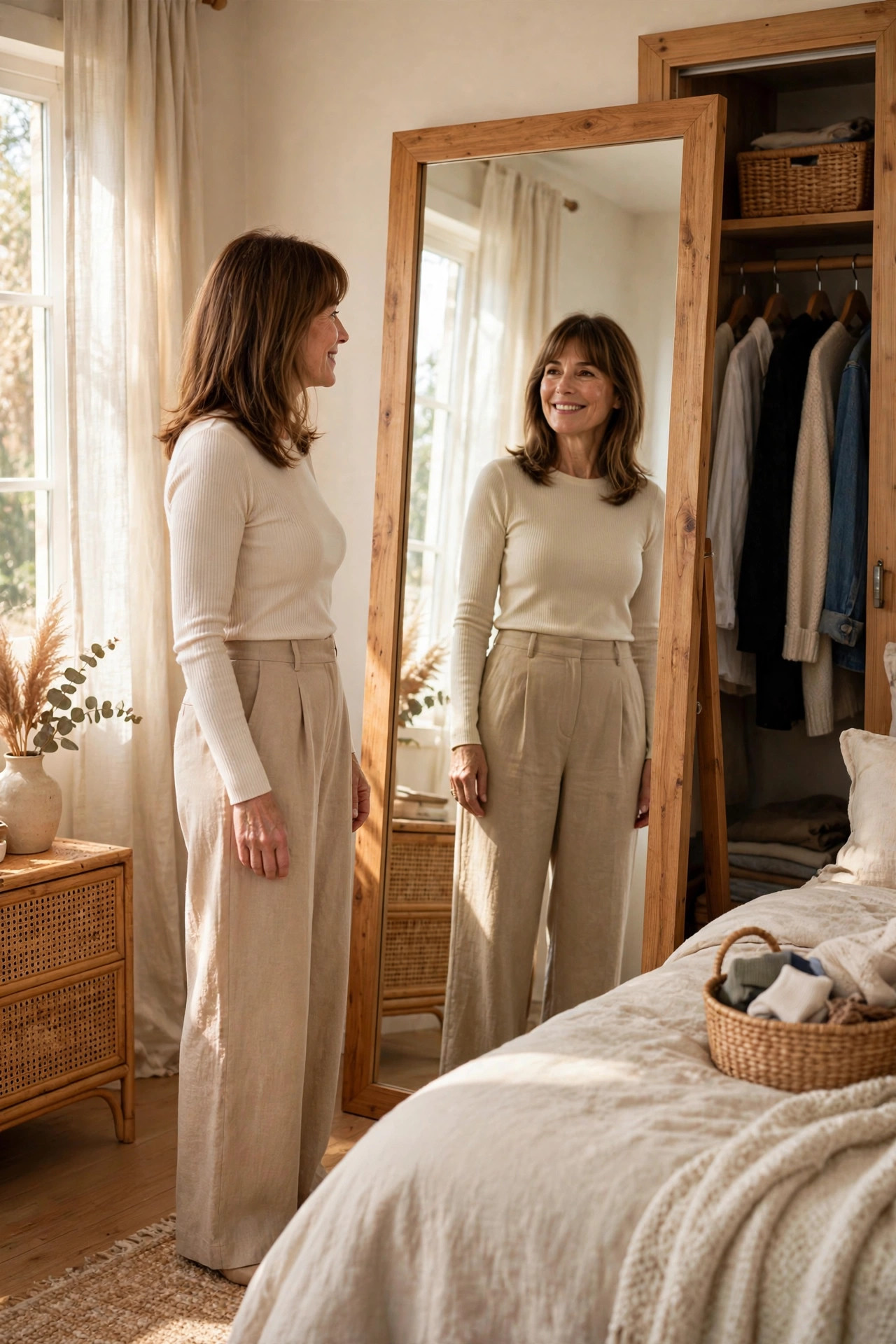
Trend-chasing is the fastest way to lose sight of your personal style, because trends are designed to make everyone look the same for a season. But ignoring every trend is not the goal either. The goal is choosing trends on your terms.
Run every trend through two questions. First, does it fit my three style words? Second, will I still wear this in two years? A trend that fits your words and has staying power is not a trend for you, it is just a new addition to your style. A trend that fails either question is decoration for someone else’s wardrobe.
This filter also protects your budget. Most trend regret comes from buying a full look when only a small nod would have worked. If a trend is only a partial match for your style, borrow one element, a color, a texture, a single accessory, instead of the whole costume. You get the freshness without the identity crisis.
Also remember that being stylish and being trendy are different achievements. Stylish people repeat themselves with confidence. When your outfits share a clear pattern, you look intentional even in simple pieces, and that reads as style far more reliably than wearing the item of the month.
Quick Decoder: What Your Wardrobe Signals Mean
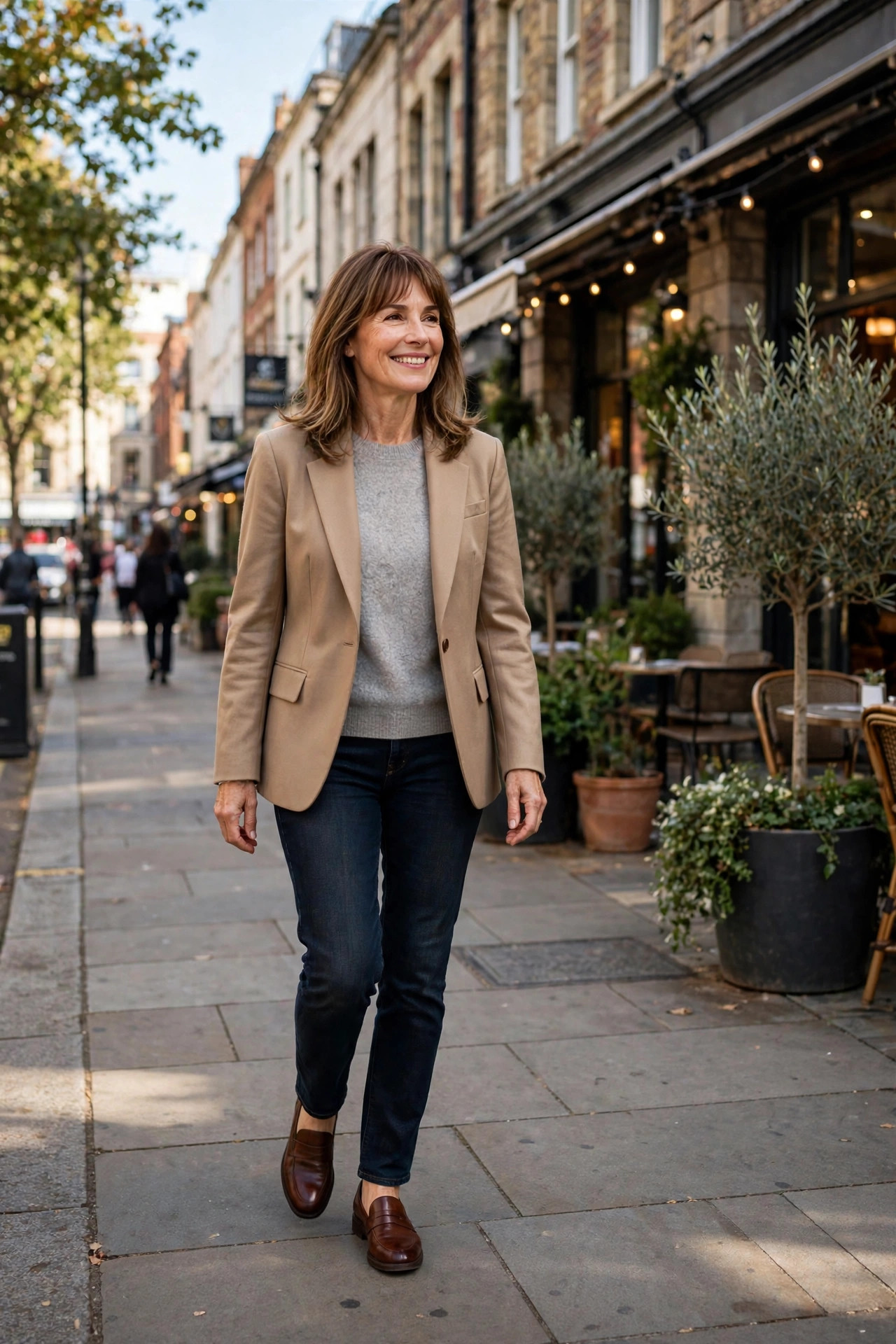
Use this table to translate what you already own and reach for into style direction. Find the pattern that matches your closet, and let it sharpen your three style words. If you are testing silhouettes outside your usual comfort zone, fit guidance like our plus size dinner outfit guide and sundress outfit ideas shows how the same shapes adapt across bodies and seasons.
| What you keep reaching for | What it signals | Style words to try |
|---|---|---|
| Dark denim, plain tees, sneakers, simple jewelry | You value ease and clean lines over decoration | Relaxed, minimal, effortless |
| Blazers, trousers, loafers, structured bags | You feel best in sharp, intentional shapes | Polished, classic, sharp |
| Floral dresses, soft knits, pastel tones, delicate accessories | You gravitate toward softness and femininity | Soft, romantic, graceful |
| Bright colors, mixed prints, statement earrings, bold shoes | You use clothes to express energy and personality | Bold, playful, expressive |
| Neutral palette, quality fabrics, timeless cuts, few logos | You prefer quiet confidence and longevity | Timeless, refined, understated |
| Flowy layers, earthy tones, textured fabrics, artisan details | You lean toward comfort with creative character | Earthy, creative, relaxed |
Related Style Guides
- how to style a midi skirt for any occasion
- effortless ways to style wide-leg pants
- how to style mom jeans without looking dated
- easy ways to style an oversized shirt
- how to style a sweater vest for a polished look
- how to style a slip dress from day to night
- fresh ways to style a midi dress
- how to layer clothes for fall
- how to pair colors in your outfits
- how to choose the right shoes for your dresses
- how to accessorize a simple outfit
- how to balance proportions in your outfits
- how to build a capsule wardrobe
- what to wear to a dinner party
- how to look stylish on a budget
- how to wear dresses in a windy city
- why you feel like you have nothing to wear
- summer office outfits inspired by Wonder Woman
Frequently Asked Questions
What is the three-word method for finding your personal style?
The three-word method asks you to choose exactly three adjectives that describe how you want your clothes to feel, for example relaxed, polished, and playful. You then use those words as a filter for every outfit and purchase. It works because it turns vague taste into a concrete decision tool you can apply in a fitting room in seconds.
How can a quiz help me find my personal style?
A style quiz gives you a starting vocabulary by sorting your preferences into categories like classic, bohemian, or minimalist. Treat the result as a suggestion, not a verdict. The real discovery happens when you compare the quiz result against your closet audit and your real-life outfit tests, and keep only the parts that match your evidence.
How long does it take to find your personal style?
Most people can name a working version of their style in one focused weekend using the audit, collect, test, and refine method. But style is a living thing, so expect it to sharpen over a few months of testing outfits and noticing patterns. Give yourself that time, and revisit your style words once or twice a year as your life changes.
How do I find my personal style without following trends?
Start by defining your style from your own evidence, your most-worn pieces and the looks you feel best in, before looking at what is trending. Then run every trend through two questions: does it fit my three style words, and will I still wear it in two years? Trends that pass both become part of your style, and the rest can be admired without being purchased.
Conclusion
Finding your personal style is a discovery process, not a shopping spree. Audit what you already wear, collect three style words and honest inspiration, test outfit formulas in your real life, and refine as the evidence comes in. When your style comes from your own patterns instead of trend cycles, getting dressed gets faster, shopping gets cheaper, and your outfits start looking unmistakably like you. That is the whole point.

Rameen Awan is the founder and editor of Outfit Algorithm, where she breaks down outfit formulas, dress codes, and styling systems for real life. Her guides focus on practical details other sites skip: fabric behavior, fit for different body types, and what actually works when you are getting dressed in a hurry.